April 25, 2024
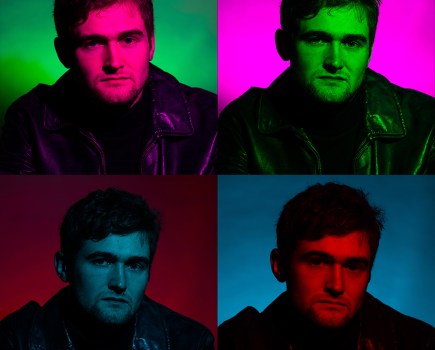
The ultimate guide to flash photography
Flash photography is a lot more accessible thanks to Speedlite flashes with TTL auto exposure. Ian Pack is your guide
Advertisement
April 25, 2024
Flash photography is a lot more accessible thanks to Speedlite flashes with TTL auto exposure. Ian Pack is your guide

April 25, 2024
Viltrox's latest budget lens is a lightweight lens for Nikon Z full frame mirrorless cameras!

April 24, 2024
Photographs are often designed to tell a story and the latest GuruShots winners have delivered some very engaging, narrative-based images
Advertisement
February 20, 2024
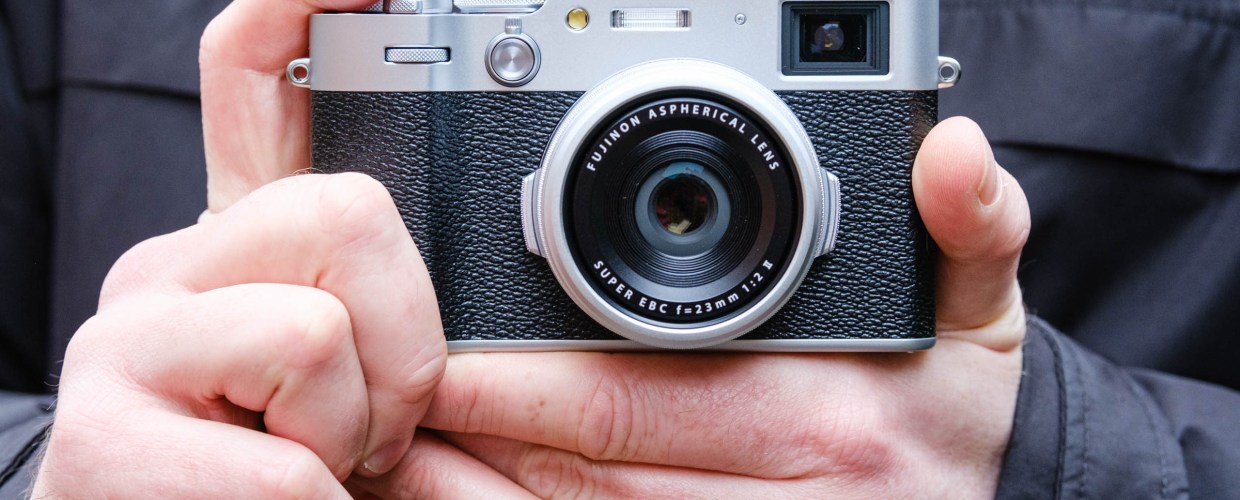
The new 40MP Fujifilm X100VI has been announced, with IBIS, and new tech from the X-T5, but how does it perform? Find out in this review
February 15, 2024
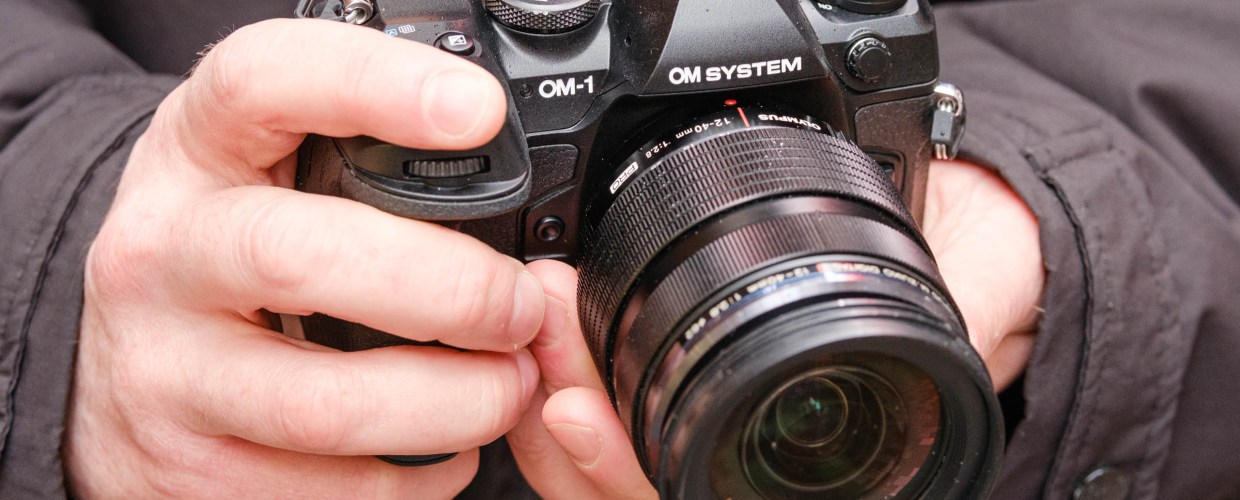
Joshua Waller reviews the new OM System OM-1 Mark II, with a number of new updates, including the World’s first in-camera live Grad ND filter.
January 8, 2024
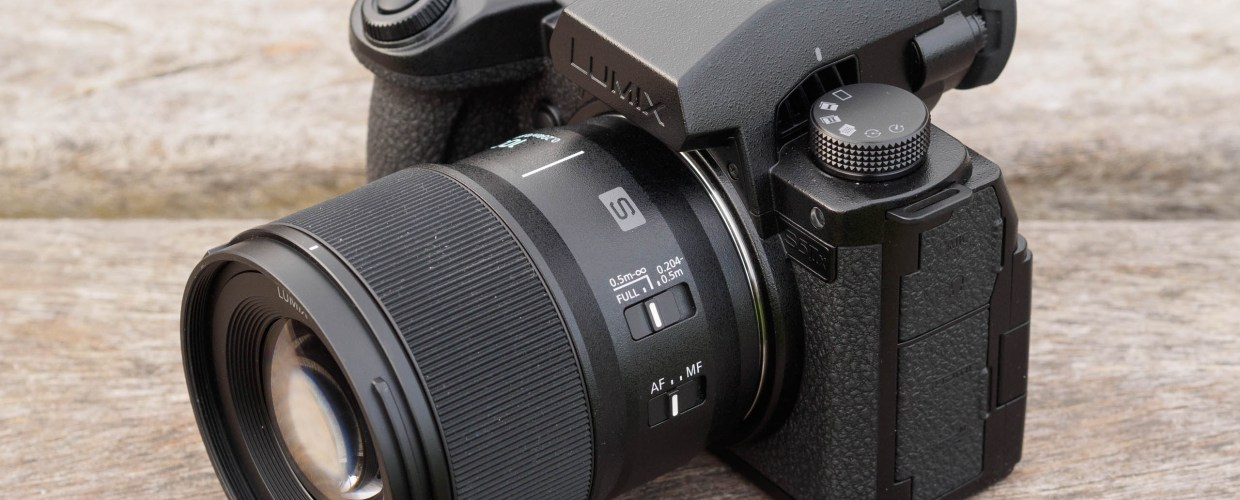
Panasonic has made a startlingly small and lightweight full-frame macro lens, but are there any compromises? Andy Westlake digs into the fine details
January 9, 2024
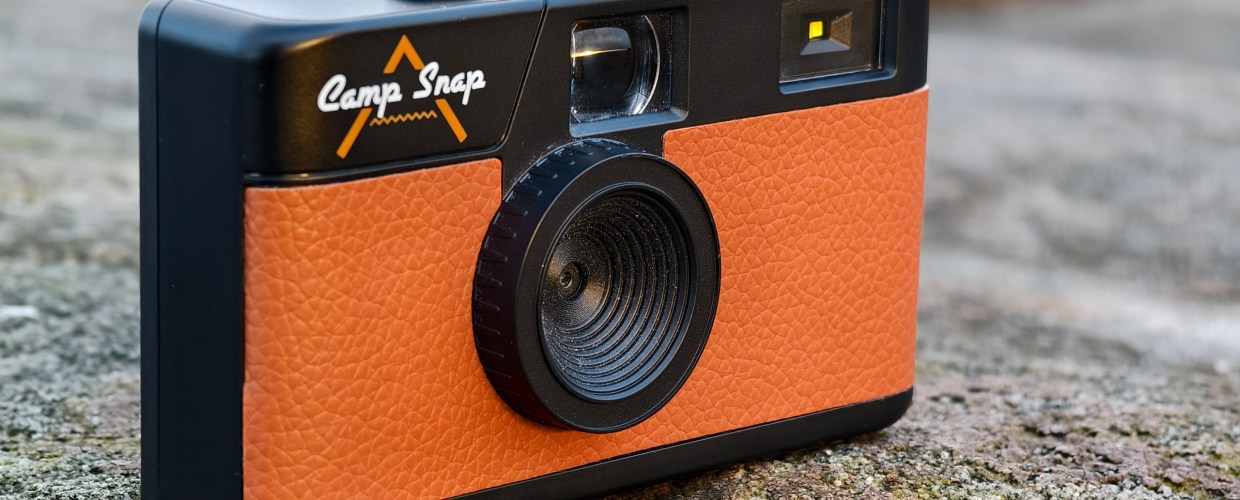
Could this be the simplest camera ever made? The Camp Snap camera is designed for kids, but could it be fun for adults as well? Joshua Waller finds out.

April 16, 2024
We pick the best camera phones for photographers to buy, derived from our reviews of the latest Samsung, Google, Apple iPhones and more.
November 1, 2023
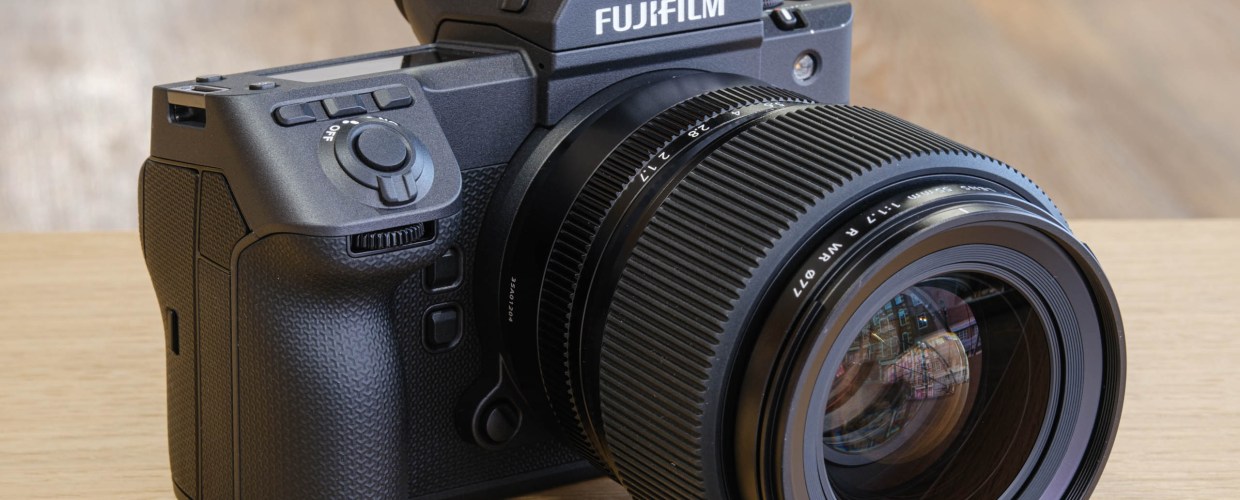
Fujifilm’s latest medium format flagship brings updated autofocus and faster shooting, but how does it compete with high-end full-frame models? Andy Westlake takes a close look
April 23, 2024
The new Polaroid Go Generation 2 is the world’s smallest instant camera. We find out how it does.
April 23, 2024
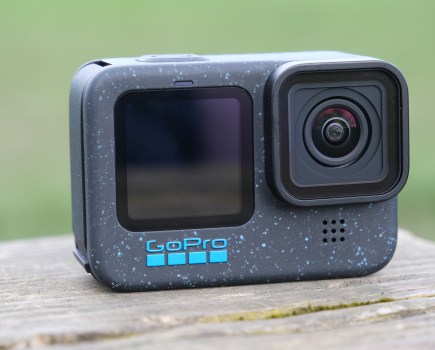
The GoPro HERO12 Black is the latest camera added to GoPro’s line-up of ready for anything action cameras. But how does it fair? Jessica Miller finds out.
April 23, 2024
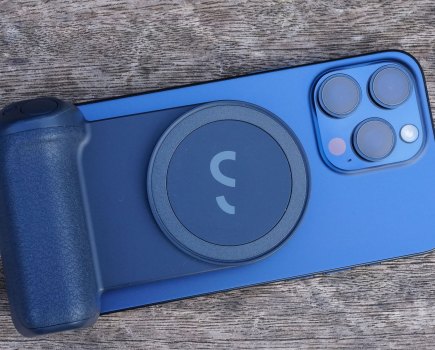
Andy Westlake tries out a magnetic camera grip for smartphones, with a built-in shutter button and wireless powerbank
Advertisement
April 25, 2024
Flash photography is a lot more accessible thanks to Speedlite flashes with TTL auto exposure. Ian Pack is your guide
April 23, 2024
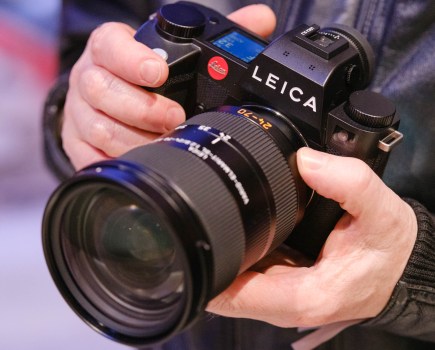
Beginners guide on how to use a camera and take photos - after our guide to cameras and lenses, let's get started with setting up the camera and shooting
April 23, 2024
To achieve really sharp close-up and macro shots, there are some essential pointers to keep in mind. Top macro photography expert Tracy Calder shares her tips
April 25, 2024
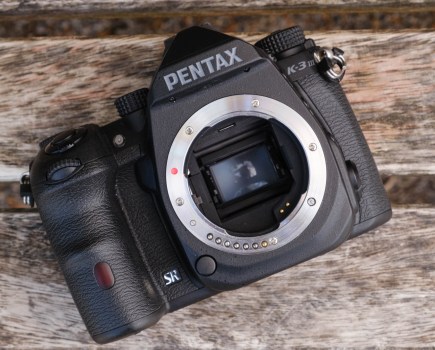
Tim Coleman guides us through the best Pentax DSLR options available in 2023, both new and second-hand options along with some classics
April 23, 2024
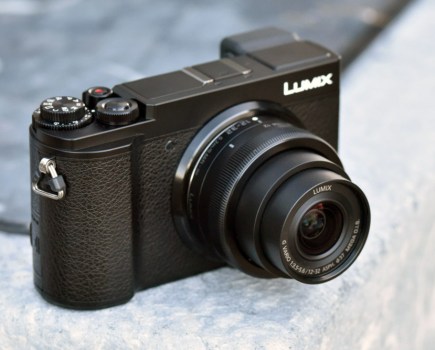
Sam Kieldsen guides us through the best Panasonic cameras you can buy in 2023 - whether that's Micro Four Thirds, Full-frame or compact, along with details of the new S5 II
April 23, 2024
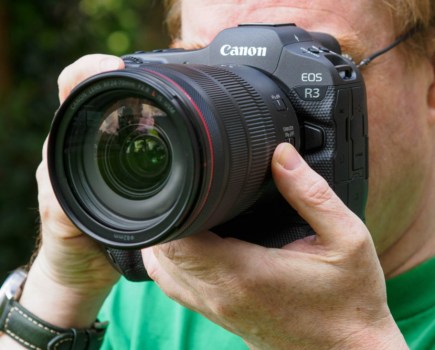
Want the best camera for photography? Here are the best for all genres of stills shooting, from portraits to landscapes, wildlife and more.
Advertisement

April 18, 2024
Deputy editor Geoff Harris reckons he's found the new king of high-end smartphones and a potential iPhone killer
April 16, 2024
The Instax Mini Evo is among the most popular Instax cameras. For Isabella Ruffatti, the new Instax Mini 99 is the most exciting option.
April 6, 2024
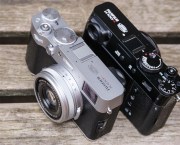
Everybody and his dog seems to want a Fujifilm X100VI, but the real story here that it's drawing in new users to photography, as it reaches both the traditional photographer and beyond

March 31, 2024
The Photography Show is moving to London, but what does that mean to the people who visit The Photography Show?
April 17, 2024
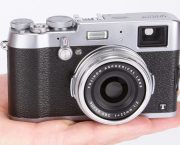
These second-hand classic compact cameras offer advanced controls, raw shooting and bargain prices
April 16, 2024
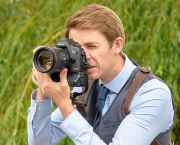
Buying second-hand is a great way to save on cameras. Here's our guide to second-hand, full-frame camera bargains
April 8, 2024
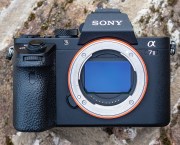
Interested in a full-frame mirrorless camera, but want to save money by buying second-hand? We guide you through our top picks.

March 20, 2024
You don't need to spend lots on the latest smartphones for photography. Read on for our money-saving used recommendations and safe buying advice

March 17, 2023
Hollie Latham Hucker speaks to six award-winning travel photographers for their top tips on how to prepare, pack light and pull off a successful shoot, no matter what your subject is or where you are…

March 14, 2023
Following a fantastic year of photography holidays operated by Zoom Photo Tours, participants had the opportunity to win Photo of the Year 2022. We share the winners here

January 26, 2023
Tourism is our best hope for saving the natural world and its endangered wildlife, leading conservation photographer Tom Svensson tells AP
September 1, 2022
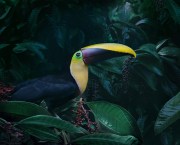
The second AP Photography Holiday in partnership with Zoom Photo Tours to Costa Rica took place recently. The tour leaders and two participants recall a great trip with Geoff Harris
April 23, 2024
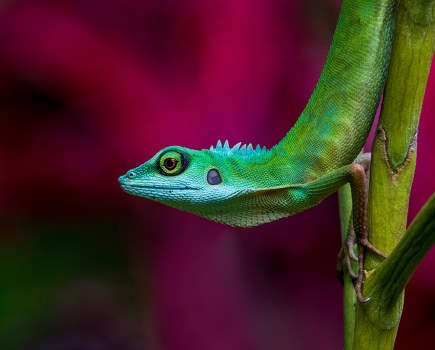
Round Two of Amateur Photographer of the Year 2024 is now open for entries! The theme is Animal Kingdom. Three of last year's entrants share their tips for entering this round

April 5, 2024
The winner of APOY 2023 was Daniel Sands. Here, he shares his thoughts about his success, and adds some advice for this year’s entrants

March 27, 2024
We are delighted to announce our annual photography competition is back for 2024 and is now open for entries! We invite amateur photographers from all over the world to enter the competition.

Looking to improve your photography? Amateur Photographer is the magazine for you, subscribe today and pay just £26 for your first 13 issues!